Connecting Affiliate Pathways to Multi-Game Ecosystems in Licensed Digital Markets
Written by Logan Reed · Jul 12, 2026
Connecting Affiliate Pathways to Multi-Game Ecosystems in Licensed Digital Markets
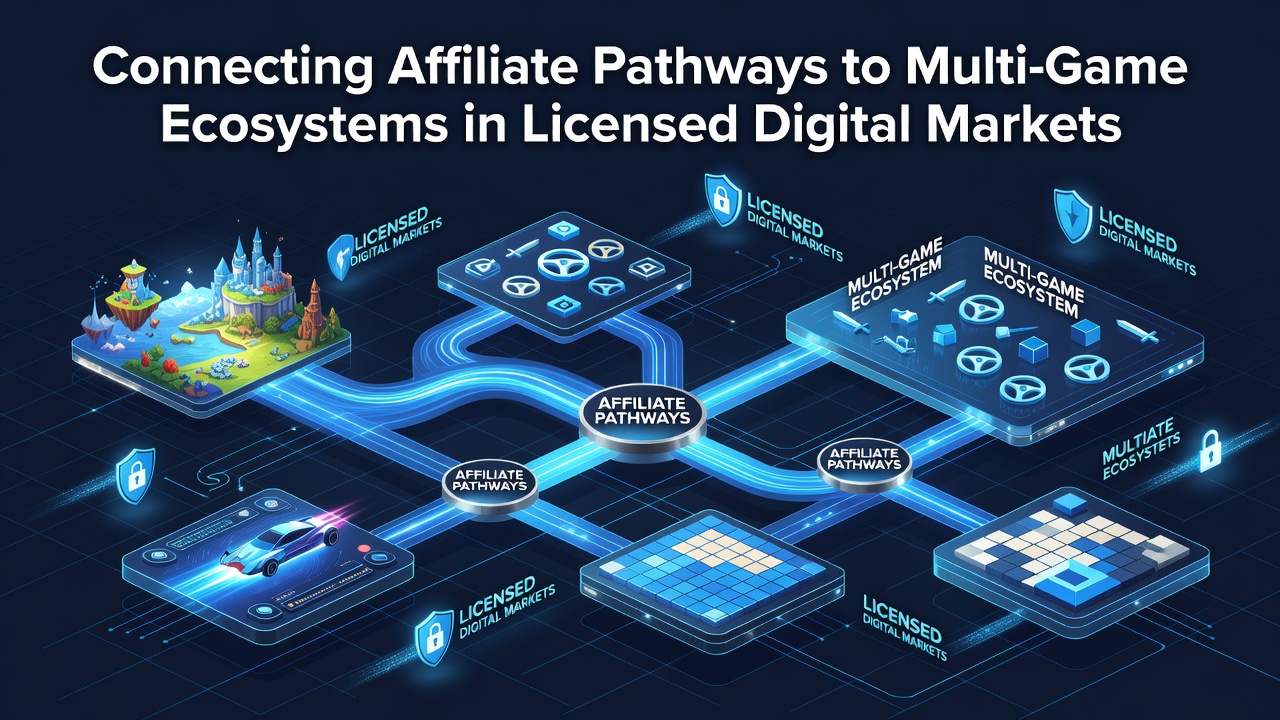
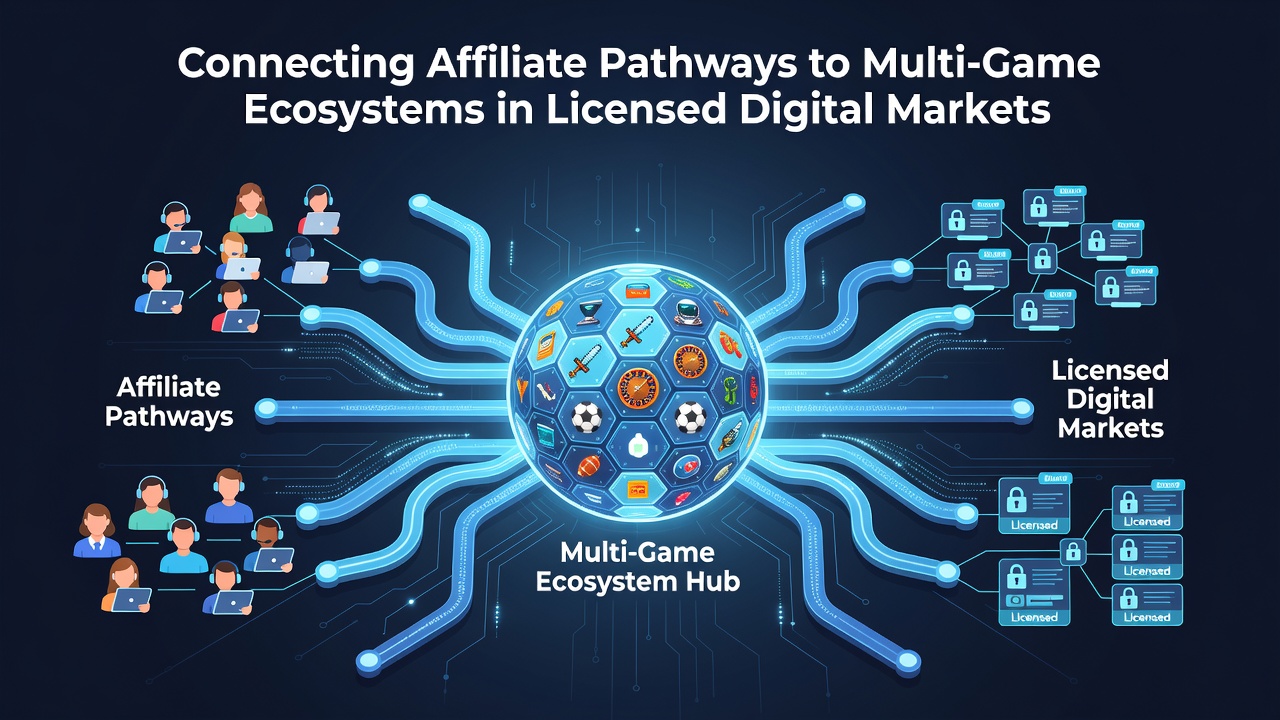
Digital markets for gaming continue to expand through structured affiliate pathways that direct users toward platforms offering multiple game types under licensed conditions, and these connections rely on data tracking, compliance protocols, and revenue-sharing models that operate across regions.
Core Elements of Affiliate Pathways
Affiliate pathways function as referral systems where operators compensate partners for traffic that results in player registrations and activity, while multi-game ecosystems bundle slots, table games, poker rooms, and sports betting into single licensed environments that satisfy regulatory standards set by various authorities. Research from the European Gaming and Betting Association indicates that integrated pathways improve player retention rates when they route users to platforms with diverse offerings rather than single-game sites.
Licensing Frameworks Across Regions
Licensed digital markets require operators to meet jurisdiction-specific rules on player verification, game fairness, and financial reporting, and affiliates must align their promotional methods with these standards to avoid penalties. Data from the Malta Gaming Authority shows that platforms operating under its remote gaming licenses processed over 2.8 billion euros in wagers during 2025, with affiliate-driven traffic accounting for a measurable share of new accounts. Similar patterns appear in Australian state-regulated markets where licensing bodies track affiliate contributions to overall market volume through quarterly submissions.
Technical Integration Methods
Operators embed tracking links, unique promo codes, and API connections that allow affiliates to monitor conversions from initial click through to sustained play across game categories, and these systems update in real time to reflect changes in licensing status or game availability. One study published by researchers at the University of Nevada Reno examined how seamless pathway connections reduced drop-off rates between registration and first deposit by 18 percent when multi-game access was highlighted during the referral process.
July 2026 marks the scheduled rollout of enhanced cross-border licensing data-sharing agreements among several European jurisdictions, which will require affiliates to update their pathway configurations to maintain compliance with unified reporting standards for player funds and game outcomes.
Revenue Models and Performance Metrics
Revenue-share agreements form the primary compensation structure, where affiliates receive percentages of net gaming revenue generated by referred players across all game types within the ecosystem, and hybrid models that combine upfront CPA payments with ongoing revenue shares have gained traction in North American regulated markets. Figures released by the New Jersey Division of Gaming Enforcement reveal that affiliate-sourced players contributed approximately 31 percent of total online gaming revenue in the state during the first half of 2025.
Player Journey Mapping
Effective pathways guide users from initial discovery through registration, verification, and engagement with multiple game verticals, while compliance checks occur at each stage to confirm that promotional content matches licensed offerings. Observers note that pathways incorporating educational content about game rules and responsible play features tend to produce longer player lifecycles when measured across entire ecosystems.
Challenges in Pathway Maintenance
Regulatory updates, platform mergers, and shifts in game portfolios require affiliates to adjust links and disclosures regularly, and failure to synchronize these changes can result in lost commissions or account suspensions. Industry reports from the Canadian Gaming Association highlight that operators in Ontario have implemented automated alerts to notify affiliate partners of licensing modifications within 24 hours of approval.
Conclusion
Affiliate pathways and multi-game ecosystems intersect through technical, regulatory, and commercial frameworks that continue to evolve, and the period leading into July 2026 will test how well these connections adapt to new data-sharing requirements and expanded licensing scopes across multiple continents. Continued monitoring of performance data from diverse regulatory sources will clarify which integration approaches sustain compliant growth in licensed digital markets.