Decoding Interlinked Player Patterns Across Digital Betting Networks in Britain
Written by Henrik Bauer · Jul 1, 2026
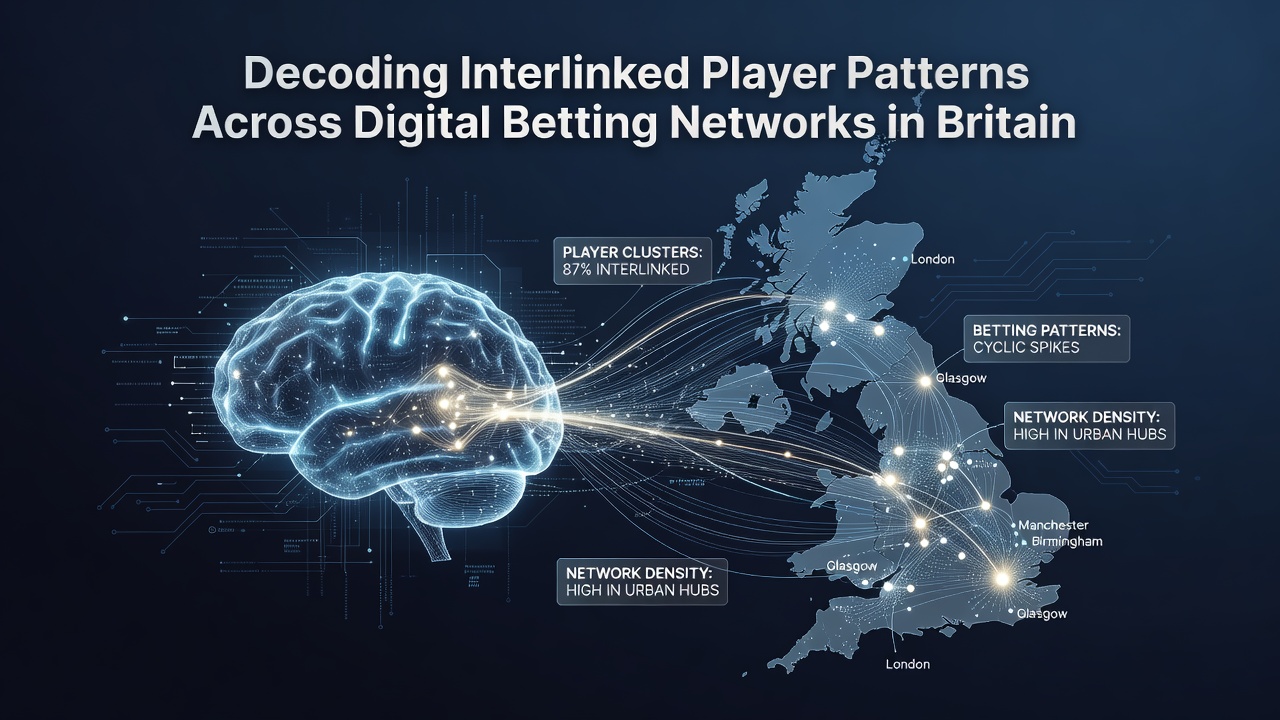
Analysts track how individual accounts interact within broader systems, and data from July 2026 revealed rising volumes of cross-platform activity where players move between operators while maintaining consistent behavioral signatures. These signatures include deposit timing, stake sizing, session duration, and response patterns to promotions, all of which form traceable nodes in larger networks.Understanding Network Structures in Digital Betting
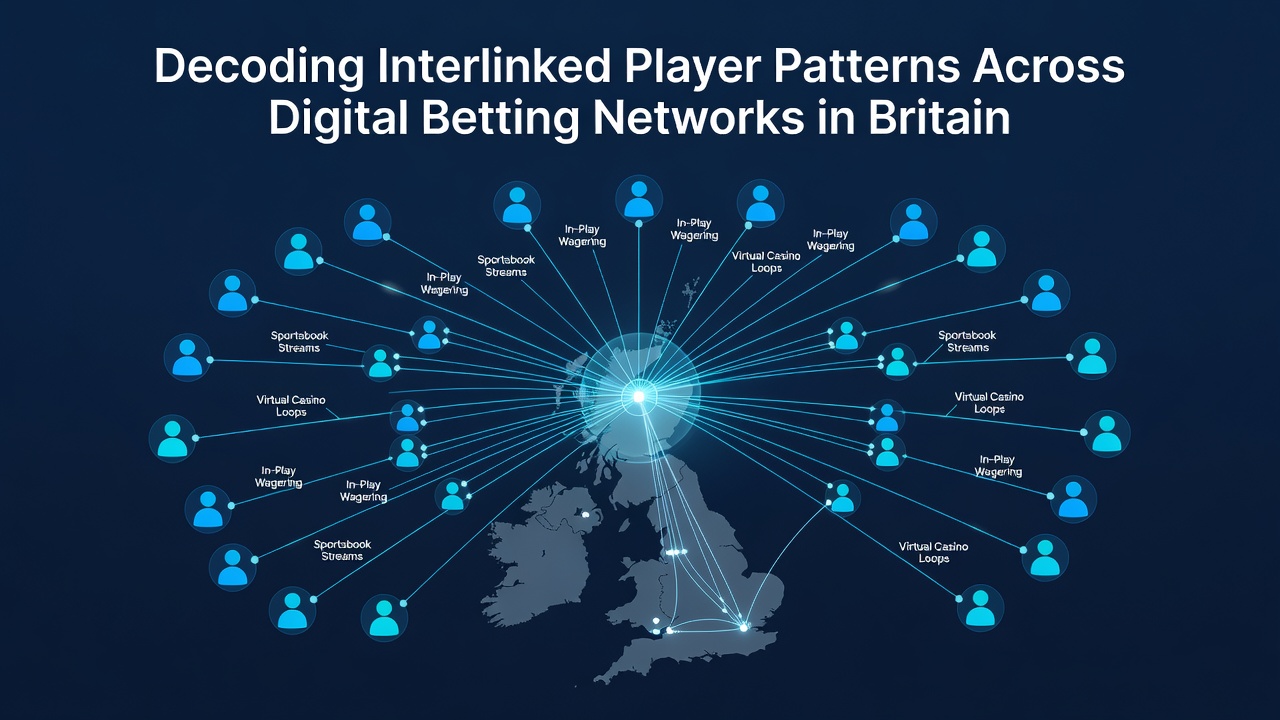
Operators collect telemetry from every click, wager, and withdrawal, then feed the information into graph databases that map relationships between accounts. When multiple profiles share similar device fingerprints, payment methods, or login sequences, algorithms flag potential clusters. Researchers at the Responsible Gambling Council have documented how these clusters often span several licensed sites, creating webs that single-platform monitoring misses.
July 2026 figures indicated a 17 percent increase in multi-operator accounts compared with the previous year, with the average cluster containing between four and nine linked profiles. Such groupings allow analysts to observe coordinated play styles that would appear random in isolation.
Techniques for Identifying Patterns
Modern detection relies on machine learning models trained on historical transaction logs. These models apply community detection algorithms similar to those used in social network analysis, grouping accounts by shared attributes such as IP address ranges, browser configurations, and betting tempo. Once clusters form, analysts examine edge weights representing frequency of interaction between nodes.
One study released by the University of Sydney’s Gambling Research Unit examined 2.3 million accounts and found that accounts within the same detected community displayed stake-size correlations exceeding 0.78, far higher than the 0.21 baseline observed across unrelated profiles. The same research noted that promotional bonus uptake followed identical sequences inside these groups, suggesting coordinated testing of wagering requirements.
Regulatory and Industry Responses
European regulators outside Britain have begun requiring operators to share anonymized graph data with centralized monitoring bodies. The Malta Gaming Authority implemented such rules in early 2026, mandating quarterly submissions of cluster maps covering at least 85 percent of active accounts. Similar frameworks are under discussion in other jurisdictions that license British-facing sites.
Industry associations such as the European Gaming and Betting Association have published technical guidelines encouraging the use of federated learning, which lets platforms train pattern-recognition models without exchanging raw player data. This approach reduces privacy risks while still surfacing interlinked activity that crosses operator boundaries.
Case Examples from Recent Data
In one documented instance, analysts identified a 12-account cluster operating across three major platforms. All accounts deposited identical amounts within a 90-second window each Tuesday evening, then placed the same sequence of accumulator bets on lower-league football matches. After six weeks the cluster shifted to live casino tables, maintaining the same timing signature. The pattern dissolved only after two accounts triggered velocity checks and were restricted.
Another case involved a smaller group that exploited referral bonuses by cycling funds through newly created profiles. Network analysis revealed that every new account connected to the same original device identifier within 48 hours of registration, allowing operators to close the loop before significant losses accumulated.
Future Developments Expected by 2027
Analysts anticipate wider adoption of real-time graph databases capable of updating cluster maps every fifteen minutes. Integration with biometric authentication and device attestation standards should tighten the resolution of these maps, reducing false positives that currently affect legitimate multi-account users such as syndicates or family groups.
Academic groups continue to refine community-detection thresholds using data from regions with mature responsible-gambling frameworks, including Norway and several Canadian provinces. Their findings feed back into commercial tools deployed on British-licensed sites, creating a feedback loop that improves detection accuracy over successive quarters.
Conclusion
Interlinked player patterns represent a measurable feature of Britain’s digital betting environment rather than an anomaly. Continued refinement of graph-based analytics, combined with cross-jurisdictional data standards, enables operators and oversight bodies to maintain clearer visibility into these networks while respecting privacy constraints. The techniques now in use provide a factual basis for understanding how accounts interact across platforms, supporting both commercial integrity and regulatory compliance.