How Tracking Systems Enable Affiliate Partnerships in Gambling Sites
Written by Tina Schmitz · Jul 15, 2026
How Tracking Systems Enable Affiliate Partnerships in Gambling Sites
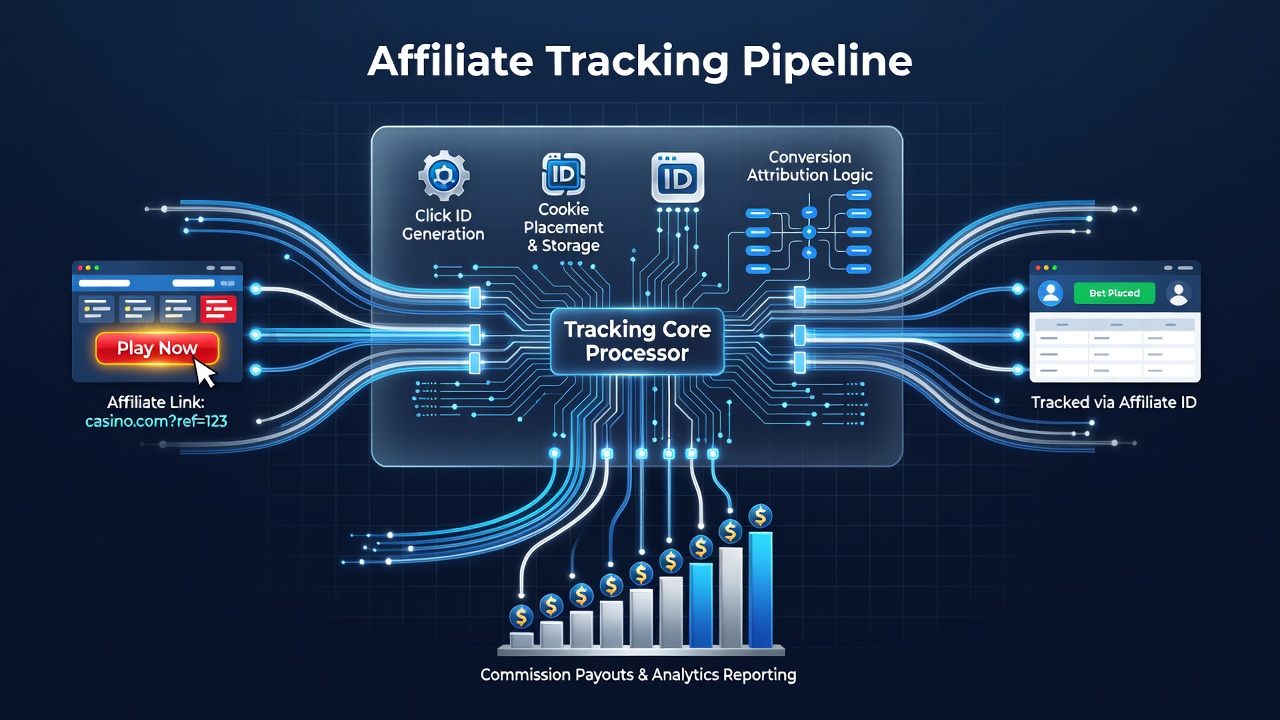
Affiliate tracking systems form the backbone of partnerships between gambling operators and marketing networks, and these platforms rely on precise data flows to record player activity generated through promotional links. Operators deploy unique identifiers that attach to each visitor from the moment a click occurs on an affiliate banner or text link, and the process continues as users register accounts or place wagers on casino games and sports markets. The core technology centers on cookie-based recording combined with server-side logging that captures referral sources even when cookies face restrictions from browser updates. When a player follows an affiliate link the system assigns a tracking token that travels with the session data, and this token persists across multiple visits provided the player returns within the defined attribution window set by the operator. Sub-affiliate IDs allow further segmentation so networks can allocate commissions accurately among multiple partners involved in the same referral chain.Core Components of the Tracking Process
Unique player tags generated at registration link directly to the original affiliate source, and these tags remain attached to every subsequent deposit or bet placed on the platform. Operators integrate tracking scripts into their registration pages that pull parameters from the incoming URL, and those parameters feed into backend databases that calculate revenue shares based on predefined commission structures.
Real-time reporting dashboards give affiliates visibility into click volumes, registration counts, and net gaming revenue generated from their traffic, while automated alerts notify partners when performance thresholds trigger bonus payments. Data shows that many systems update these dashboards every few minutes during peak hours, and this frequency supports quick adjustments to marketing campaigns.
Commission Models and Attribution Windows
Revenue share arrangements dominate most casino and betting affiliate agreements because they tie payments to ongoing player value rather than one-time actions, and hybrid models blend revenue share with cost-per-acquisition fees when operators seek faster returns on specific traffic sources. Attribution windows typically range from thirty to ninety days, yet some premium programs extend the period to six months for high-value verticals such as live dealer tables or in-play sports betting.

Figures from industry reports indicate that longer attribution windows correlate with higher lifetime player values, and operators adjust these windows periodically based on retention data collected across different traffic channels. Negative carryover policies appear in some agreements where losses from prior periods offset future commissions, and these clauses require transparent tracking logs so both parties can verify calculations.
Regulatory Compliance and Data Handling
Operators must align tracking practices with data protection requirements across multiple jurisdictions, and systems incorporate consent management tools that record player approval for marketing cookies before any affiliate data collection begins. According to research published by the University of Nevada, Reno in early 2025, transparent disclosure of tracking methods improves player trust and reduces account closure rates among referred users.
In July 2026 several European regulators plan to introduce stricter rules on cross-border data transfers used in affiliate networks, and operators are already updating their tracking infrastructure to store player identifiers within regional data centers to meet these forthcoming standards. The Australian Communications and Media Authority has published guidelines that require clear separation between gambling transaction data and marketing attribution logs, and many platforms now maintain separate databases to satisfy these requirements.
Technical Challenges and Solutions
Browser restrictions on third-party cookies have prompted operators to adopt server-to-server tracking methods that rely on postback URLs instead of client-side storage, and these methods maintain attribution accuracy even when users browse in incognito mode or clear their cache regularly. Fraud detection modules scan for patterns such as repeated clicks from the same IP address or mismatched device fingerprints, and systems automatically flag suspicious traffic before commissions accrue.
Those who manage large affiliate programs report that machine learning models help distinguish between legitimate multi-device usage and deliberate manipulation attempts, and the models retrain weekly on fresh transaction data to stay ahead of evolving tactics.
Conclusion
Affiliate tracking systems continue to evolve through integration of server-side methods, consent frameworks, and regional compliance tools that support sustainable partnerships between operators and marketing networks. Data from regulatory filings and academic studies shows that accurate tracking underpins revenue distribution while protecting player privacy across global markets.