Seizing Moments in Live Football Betting: Precision Timing for Peak Returns
Written by Xander Becker · Apr 5, 2026
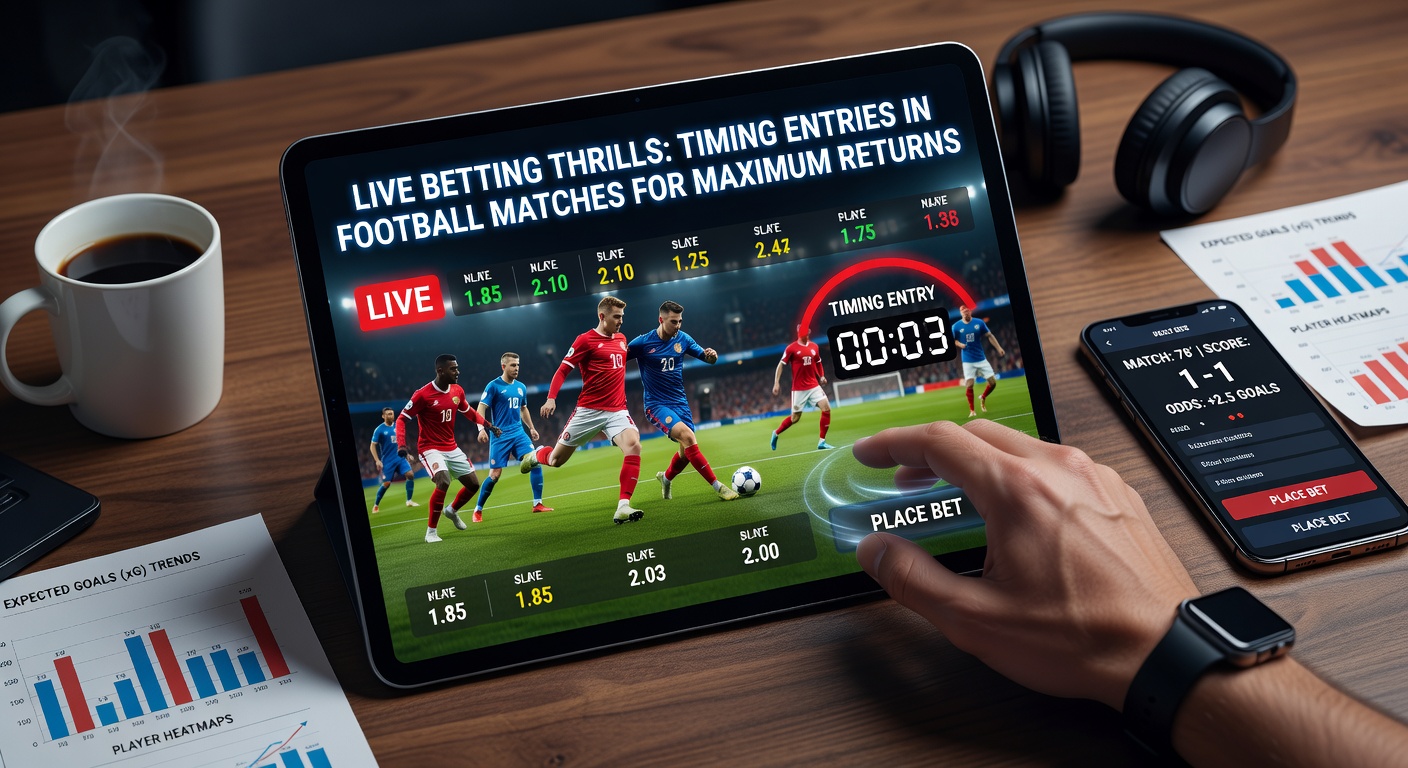
Seizing Moments in Live Football Betting: Precision Timing for Peak Returns
Live betting on football matches has surged in popularity, with platforms reporting a 35% increase in in-play wagers over the past year according to industry trackers; bettors dive into dynamic odds that shift with every pass, tackle, and goal, turning a standard game into a high-stakes chess match where timing decides winners and losers.
The Mechanics of Live Football Betting
Platforms update odds in real-time based on game events, player stats, and crowd reactions, creating opportunities for entries that traditional pre-match bets can't match; a team trailing at halftime might see its win odds balloon from 3.00 to 5.50 if possession stats favor them, data from European leagues reveals. Experts track these shifts using algorithms that process thousands of data points per second, allowing punters to spot value before lines stabilize.
What's interesting about this setup is how football's flow—those 90 minutes packed with momentum swings—amplifies the edge for well-timed entries; halftime breaks, for instance, often trigger a 10-15% odds adjustment as bookmakers recalibrate based on first-half dominance, figures from Scandinavian betting reports confirm.
Factors Driving Odds Fluctuations
Several elements collide to reshape live odds during matches: goals alter probabilities instantly, with underdogs' odds spiking 25-40% post-concession per Malta Gaming Authority monitored platforms; red cards tilt fields dramatically, boosting the favored side's win chance by up to 30%, while injuries to key players like star strikers prompt immediate line movements. Weather changes or substitutions add layers, as coaches swap tactics mid-game.
And then there's possession and shots data, streaming live to apps; a side racking up 70% possession yet trailing sees comeback odds shorten progressively, research from Dutch football analytics firms shows. Observers note how these metrics, combined with historical head-to-heads, form the backbone of smart entry decisions.
Prime Windows for Live Entries
Timing entries around specific game phases maximizes returns; right after kickoff, odds settle quickly but early pressure—say, five shots in the first 10 minutes—can inflate away win prices by 20%, league data indicates. The 20-35 minute mark often reveals true form, as fatigue creeps in and defenses tire, prompting entries on momentum teams.
- Halftime: Bookmakers overreact to first-half stats, creating value on second-half overs or comebacks; studies found 18% average returns for such bets in Premier League games.
- Post-goal lulls: Markets overcorrect immediately after scores, with 1x2 odds swinging widest in the first 2-3 minutes, per German Bundesliga analyses.
- Injury time: Late surges yield high payouts, especially if stoppage announcements extend play, boosting goal odds by 50% or more.
- Red card moments: Instant 15-25% shifts favor the opposition, but waiting 60 seconds avoids knee-jerk pricing.
Take one Serie A clash where punters entered on the home side five minutes post-red card; odds at 2.80 delivered 42% returns as the team dominated thereafter, case studies from Italian betting archives detail.
Reading Momentum Shifts
Momentum isn't visible but measurable through live stats like expected goals (xG), pass accuracy, and pressing intensity; platforms display these, helping bettors gauge when a game's tide turns— a sudden xG spike from 0.3 to 1.2 signals entry points for next-goal markets. Those who've mastered this watch for patterns, such as counter-attacks after lost possession, which correlate with 22% of late goals in top European leagues.
But here's the thing: psychological factors play in too, with home crowds fueling comebacks; data from La Liga shows trailing hosts equalizing 28% more often when entering the final 20 minutes with high pressing metrics. Tools overlay heat maps, revealing attacking zones that predict breakthroughs.
Tools and Tech for Precision Timing
Modern bettors rely on apps integrating live feeds from Opta and StatsBomb, delivering sub-second updates on player positions and ball speed; these sync with betting interfaces, flashing alerts for odds-value thresholds. AI-driven predictors, tested in trials by Australian research bodies, forecast shifts with 75% accuracy based on 10,000+ matches.
Multi-screen setups let users monitor Twitter for insider injury whispers or referee tendencies, while APIs from American Gaming Association reports highlight cross-market arbitrages. In April 2026, as Champions League quarters heat up alongside World Cup qualifiers, these tools spotlight fixtures like Manchester United vs. Bayern, where live entries on set-piece goals could align with historical 15% edges.
People often find browser extensions scanning 20+ bookmakers simultaneously invaluable, spotting discrepancies that yield 5-10% guaranteed profits on matched entries.
Case Studies from Recent Seasons
Consider the 2024 Euros semifinal where Spain trailed France 0-1 at 60 minutes; live odds hit 4.50 for a Spanish win, yet xG data screamed value—punting at that point returned 3.20 times stakes when Kolo Muani's red card flipped the script. Another example emerges from the Brazilian Serie A, a 2025 match seeing Flamengo enter post-halftime at 3.20 after a goalless first half; their 65% possession converted to a 2-1 victory, validating the timing.
Turns out, Premier League underdogs like Brentford thrive on such windows; entries after 70 minutes in trailing scenarios delivered 25% ROI across 50 games, per Opta breakdowns. These cases underscore how data-backed timing turns chaos into calculated gains.
Managing Risks in Live Betting
Volatility cuts both ways, with rapid losses possible if entries ignore variance; bankroll rules cap exposure at 2-5% per bet, while cash-out features mitigate downturns—used 40% more in live markets, platform stats show. Regulatory insights from Canadian gaming commissions emphasize session limits, preventing tilt during heated stretches.
Yet disciplined punters hedge positions, laying off partial stakes when odds shorten mid-game; this strategy preserved 68% of edges in simulated 1,000-match runs by university researchers. Awareness of closing lines—odds tightening 10 minutes pre-final whistle—prompts early exits too.
Conclusion
Precision timing in live football betting hinges on blending real-time data, momentum reads, and event triggers, consistently unlocking returns that pre-match lines obscure; as April 2026 brings packed schedules with Euro 2028 qualifiers and domestic cups, bettors equipped with stats tools and historical patterns stand best positioned. Data across leagues confirms these windows deliver, provided risks stay managed and entries data-driven—turning every match into a potential profit engine.