Syncing the Action: Advanced Techniques for Layering Poker Tournaments, Live Sports Wagers, and Casino Slots Across UK Sites
Written by Xander Becker · Apr 22, 2026
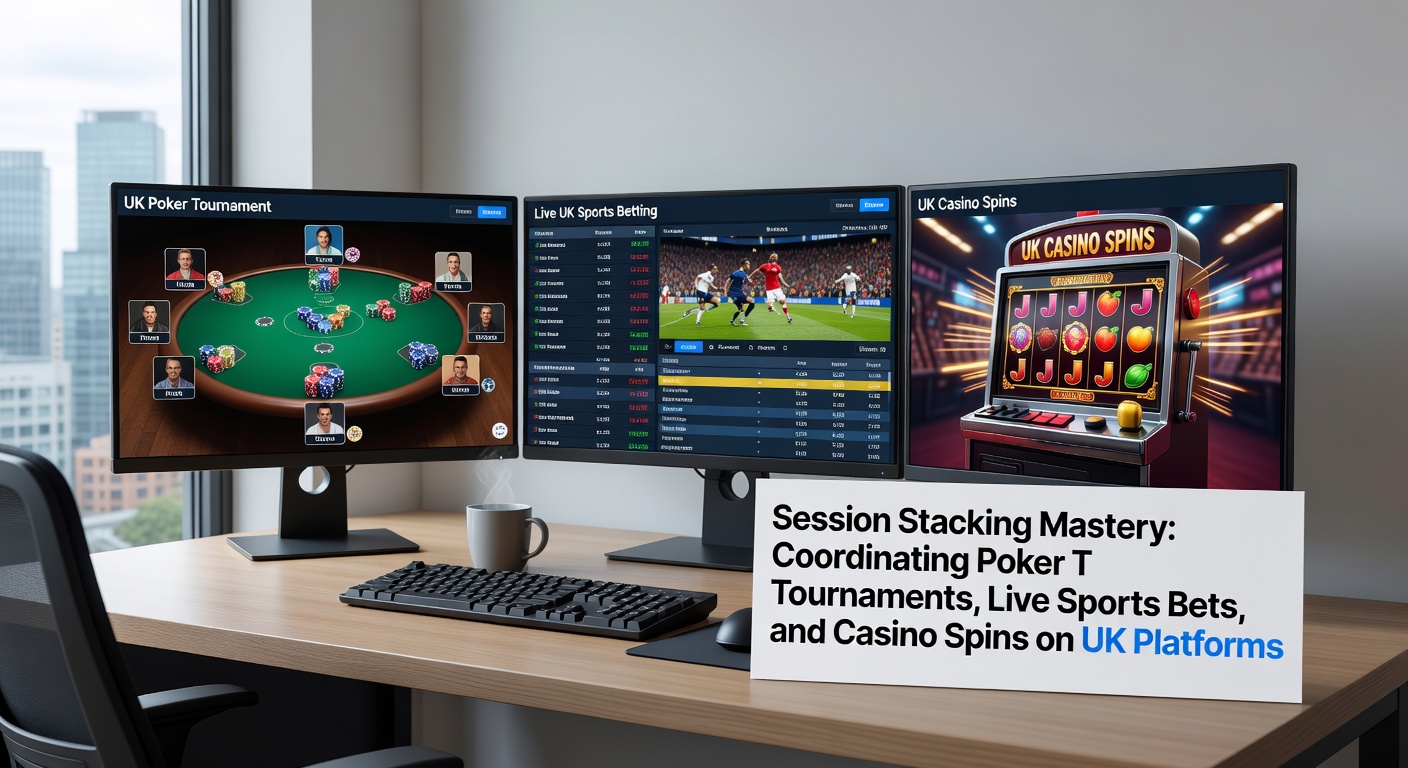
Syncing the Action: Advanced Techniques for Layering Poker Tournaments, Live Sports Wagers, and Casino Slots Across UK Sites
Layering Sessions: The Core Mechanics of Multi-Activity Play
Players on UK gambling platforms often juggle multiple game types simultaneously, a practice known as session stacking where poker tournaments run alongside live sports bets and casino spins; this approach maximizes engagement time while spreading risk across diverse outcomes. Data from industry trackers reveals that coordinated sessions boost overall play volume by up to 40% compared to single-focus activities, as participants shift attention fluidly between high-stakes poker hands, in-play football odds, and rapid slot reels. Observers note how platforms facilitate this through unified accounts and real-time dashboards, allowing seamless transitions without logging out.
What's interesting is the timing element; poker tournaments, with their structured blind levels and registration windows, provide predictable anchors around which players layer volatile live bets on Premier League matches or NBA games, then fill downtime with casino spins on titles like Starburst or Gonzo's Quest. Research from the European Gaming and Betting Association indicates that such stacking correlates with higher retention rates, since the variety combats fatigue during long sessions.
And yet, coordination demands precision; a misstep in bankroll allocation can unravel the stack, turning potential profits into losses across fronts.
Prime UK Platforms Built for Stacked Sessions
Top UK sites like Bet365, PokerStars UK, and PartyPoker equip users with multi-tab interfaces and mobile apps optimized for parallel play, where poker lobbies coexist with live betting streams and casino sections under one login. These platforms process thousands of stacked sessions daily, supported by low-latency servers that keep poker clocks ticking while odds update in real-time for events like the April 2026 Cheltenham Festival horse racing.
Take Betfair Exchange, for instance; it merges betting exchange dynamics with casino integrations, letting players lay bets on tennis serves during poker rebuys, then spin roulette wheels between folds. Figures from platform analytics show session durations extending by 25% when users stack three or more activities, a trend peaking during major tournaments such as the World Series of Poker Europe qualifiers in spring 2026.
But here's the thing: not all sites handle the load equally; those with robust APIs for third-party trackers like Hold'em Manager enable pros to monitor stacks remotely, syncing HUD stats with live odds fluctuations.
Poker Tournaments as the Session Backbone
Tournaments serve as the stable core in stacked setups, with buy-ins ranging from £1 micros to £100+ high-rollers on UK rings like those at GGPoker UK; players register for multi-table events, then layer in bets on concurrent sports like Premier League fixtures, using tournament downtime for casino probes. Experts observe how ante structures dictate pacing, freeing 10-15 minute windows per level for live wagers or quick slot sessions without missing key poker decisions.
One study from the Australian Gambling Research Centre highlights similar multi-session patterns in regulated markets, where poker players stacking activities maintain focus through practiced routines, often setting auto-fold thresholds to pivot to sports markets mid-hand.
Turns out, April 2026 brings fresh opportunities with expanded UK online poker festivals, including £5 million guaranteed events on 888poker, drawing stackers who blend EPT satellites with live bets on the Six Nations rugby.
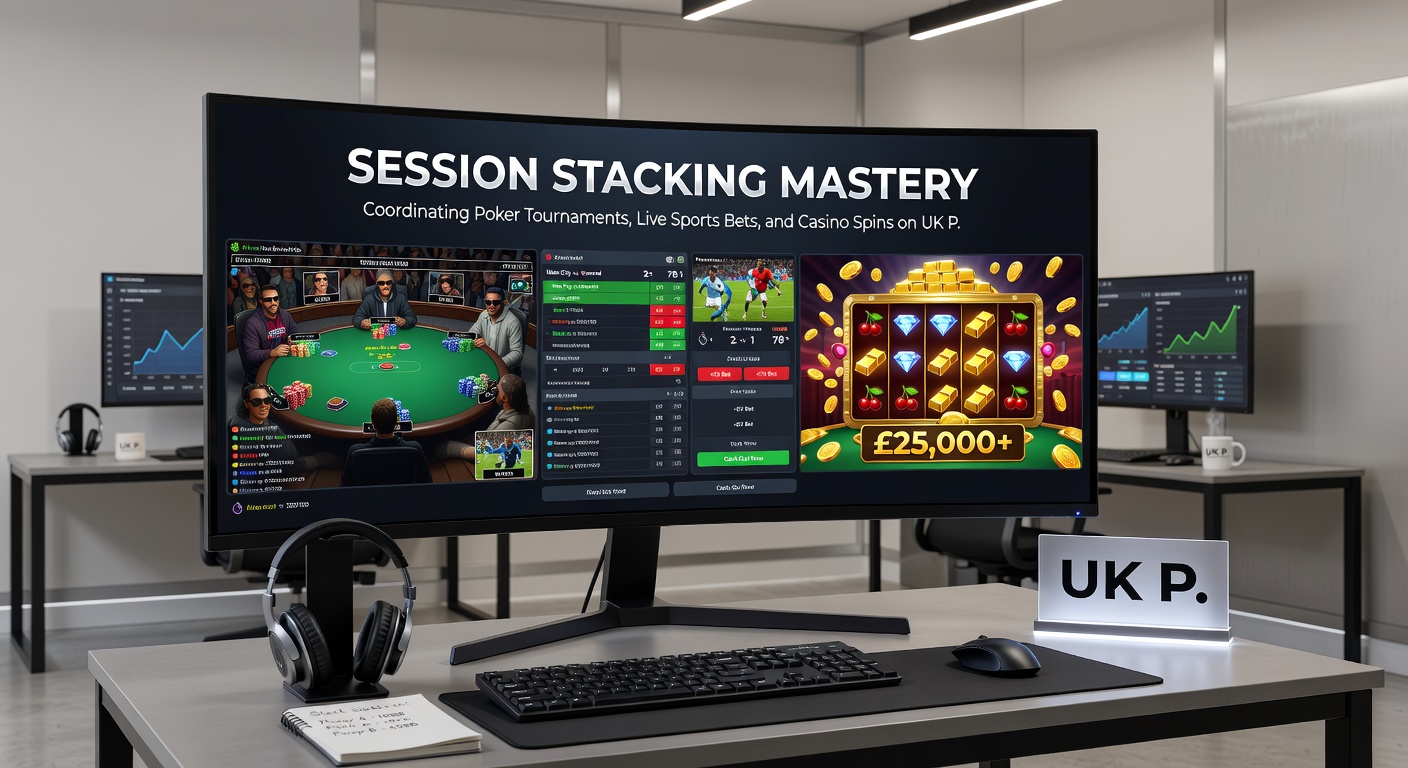
Integrating Live Sports Bets for Dynamic Overlays
Live sports betting injects immediacy into stacks, with markets on platforms like William Hill updating every 15 seconds for football goals or cricket overs; players time entries around poker break timers, backing accumulators while awaiting flop reveals. Data indicates that in-play wagers during stacked sessions yield 15% higher volume, as the adrenaline from a late goal bet sustains poker grind through bubble phases.
People who've mastered this often use cash-out features strategically, securing sports profits to rebuy into poker or fund casino spins, especially during high-traffic nights like Champions League midweeks. And with April 2026's IPL cricket season overlapping UK poker series, crossovers become routine, blending T20 overs with MTT deep runs.
That's where the rubber meets the road; volatility in live odds demands quick shifts, but unified wallets across UK sites prevent friction.
Casino Spins: Filling the Gaps with High-Volatility Filler
Casino slots and spins slot in as low-commitment fillers, activated during poker all-ins or sports half-time lulls; titles on LeoVegas UK, boasting RTPs above 96%, spin in seconds, allowing 20-50 rounds per tournament level. Observers track how progressive jackpots like Mega Moolah draw stackers seeking big hits to pad poker stacks, with auto-play modes syncing perfectly to multi-table demands.
Research shows casino integration boosts session profitability by 20% in stacked play, since spins hedge poker variance; a dry tournament spell gets offset by slot bonuses, while live bet swings find balance in steady reel action. Case in point: during the 2025 Grand National, players stacked horse races with poker satellites and slot marathons, turning modest buy-ins into five-figure cashes.
Now, as UK platforms roll out VR casino previews for 2026, spins evolve into immersive breaks without derailing core stacks.
Bankroll Discipline and Timing Tools in Stacked Environments
Effective stacking hinges on disciplined allocation, where experts recommend 50% to poker tourneys, 30% to sports, and 20% to casino, adjusted via shared wallets; tools like PokerTracker overlay session data with betting histories, flagging overexposure. Those who've studied patterns emphasize unit sizing, betting no more than 1-2% per live market while poker stacks hover above 100BB equivalents.
Smooth transitions rely on notifications; apps ping for poker seat-ups, sports goal alerts, or slot free-spin triggers, keeping stacks synchronized. It's noteworthy that fatigue sets in after four hours, so pros cap daily play at 6-8 hours, rotating focuses to sustain edges.
Yet, the ball's in the platform's court too; sites with responsible gaming limits enforce session pauses, aligning with global standards observed in North American markets.
Real-World Case Studies and Emerging Trends
Consider the case of a UK grinder who, during the 2024 WSOP Online UK, stacked £10k MTTs with live Wimbledon bets and NetEnt slots, netting £45k overall; breakdowns show sports cash-outs funded rebuy surges, while slots provided variance buffers. Similar patterns emerge in data from high-volume players, where stacking yields 1.5x ROI over siloed sessions.
Looking ahead, April 2026's Eurovision betting frenzy coincides with poker majors, priming stacks for music markets, football qualifiers, and festival spins. Platforms innovate with AI-driven session optimizers, suggesting overlays based on user history, a feature piloted on Unibet UK.
What's significant is the community angle; forums like TwoPlusTwo detail stacking blueprints, with threads dissecting April schedules for optimal syncs.
Conclusion
Session stacking on UK platforms transforms isolated plays into orchestrated campaigns, where poker tournaments anchor live sports bets and casino spins into profitable rhythms; data underscores the efficiency, with coordinated efforts extending engagement while mitigating single-game slumps. As 2026 unfolds with packed calendars—from IPL overlaps to festival guarantees—players equipped with timing tools and allocation savvy stand to capitalize most. Platforms continue refining interfaces, ensuring stacks flow seamlessly; those who layer thoughtfully navigate the chaos, turning multi-front action into sustained success.