Taxonomy Structures in Gambling Directories Enabling Seamless Shifts from Roulette Wheels to Blended Sports Markets in UK Licensed Environments
Written by Henrik Bauer · Jun 3, 2026

Taxonomy Structures in Gambling Directories Enabling Seamless Shifts from Roulette Wheels to Blended Sports Markets in UK Licensed Environments
Directory taxonomies organize online gambling platforms through hierarchical classification systems that group games, markets, and features according to shared attributes such as mechanics, risk profiles, and thematic elements, and these structures have guided player movement from roulette wheels toward integrated sports offerings within licensed British environments where regulatory frameworks permit such combinations.
Defining Taxonomy in Gambling Directories
Taxonomies function as standardized labeling frameworks that sort roulette variants under table game categories while placing sports betting options into separate market segments, yet overlapping tags for live dealer experiences and real-time event integration allow cross-references that connect the two areas without violating platform architecture rules. Researchers have noted that consistent category naming across directories reduces navigation friction, which in turn supports transitions where users explore roulette outcomes before accessing in-play sports propositions that share similar probability calculations and payout structures.
Mechanics of Roulette Categorization
Roulette entries typically fall under chance-based table games with sub-tags for European, American, and live-streamed versions that emphasize wheel physics alongside betting layouts, and directory systems apply metadata fields for volatility levels and session duration estimates that align with parallel tags used in sports markets for match volatility and duration forecasts. This shared metadata layer enables search algorithms to surface related content when users filter by risk tolerance or payout frequency, creating pathways that link static wheel spins to dynamic sports wagers on football leagues or tennis tournaments.
Integration Patterns with Sports Markets
Integrated sports markets appear in directories under headings that include pre-match lines, live betting, and accumulator builders, while taxonomy cross-links introduce roulette-adjacent elements such as number-range predictions or color-based outcomes that mirror certain prop bets. Data from industry tracking services shows that platforms applying unified tagging schemas record higher session continuity rates where players move between these sections within single visits, particularly when filters for minimum stake amounts or maximum exposure limits remain consistent across both verticals.
Player Migration Patterns Observed in Licensed Spaces
Observers tracking user behavior across licensed British platforms have recorded sequences where initial roulette sessions precede engagement with sports markets that incorporate similar odds formats, and taxonomy refinements introduced in early 2025 refined these pathways by adding hybrid filters for multi-outcome events. A June 2026 report released by the Australian Gambling Research Centre documented comparable directory effects in overlapping regulatory jurisdictions, noting that structured categorization correlated with measurable increases in cross-product exploration among verified account holders.
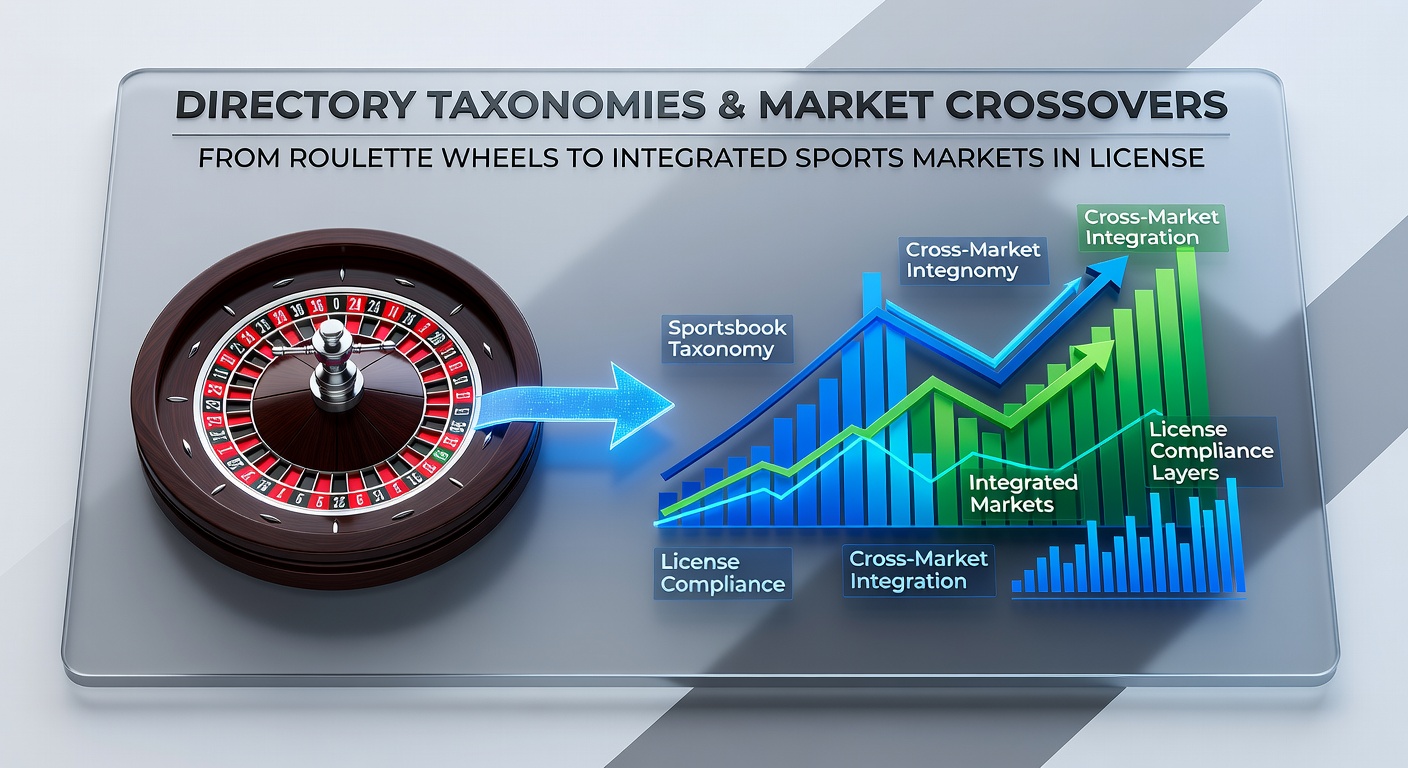
Those who maintain directory listings emphasize that accurate taxonomy application prevents misclassification that could disrupt player flow, while platforms adhering to these standards demonstrate clearer separation between game types yet maintain connective tissue through shared attributes like payout percentages and volatility indicators.
Regulatory Context in British Licensed Markets
Licensed operators in British spaces operate under frameworks that require clear product segregation alongside allowance for integrated features, and taxonomy systems help satisfy these requirements by maintaining distinct primary categories while permitting secondary tags that highlight crossover potential. Figures from the National Center for Responsible Gaming in the United States indicate that well-structured directories correlate with more predictable user navigation patterns, which regulatory bodies in multiple regions monitor when assessing platform compliance with responsible gambling standards.
Technical Implementation of Cross-Referencing
Directory developers implement cross-referencing through relational databases that connect roulette entries to sports market tags via common attributes such as random number generation methods and real-time data feeds, and this backend architecture supports front-end features where users encounter suggested transitions after completing roulette rounds. Case studies from platform analytics teams reveal that such implementations maintain session integrity while expanding exposure to integrated betting options without requiring separate account actions or additional verification steps.
Conclusion
Directory taxonomies continue to shape how players encounter and move between roulette and integrated sports markets by establishing consistent classification rules that respect licensing boundaries in British spaces while facilitating discovery through shared metadata and relational links, and ongoing refinements to these systems reflect broader industry efforts to align user experience with regulatory expectations across evolving product ecosystems.