Technology Driving Live Dealer Integration in Virtual Card Platforms
Written by Tina Schmitz · Jun 5, 2026
Technology Driving Live Dealer Integration in Virtual Card Platforms
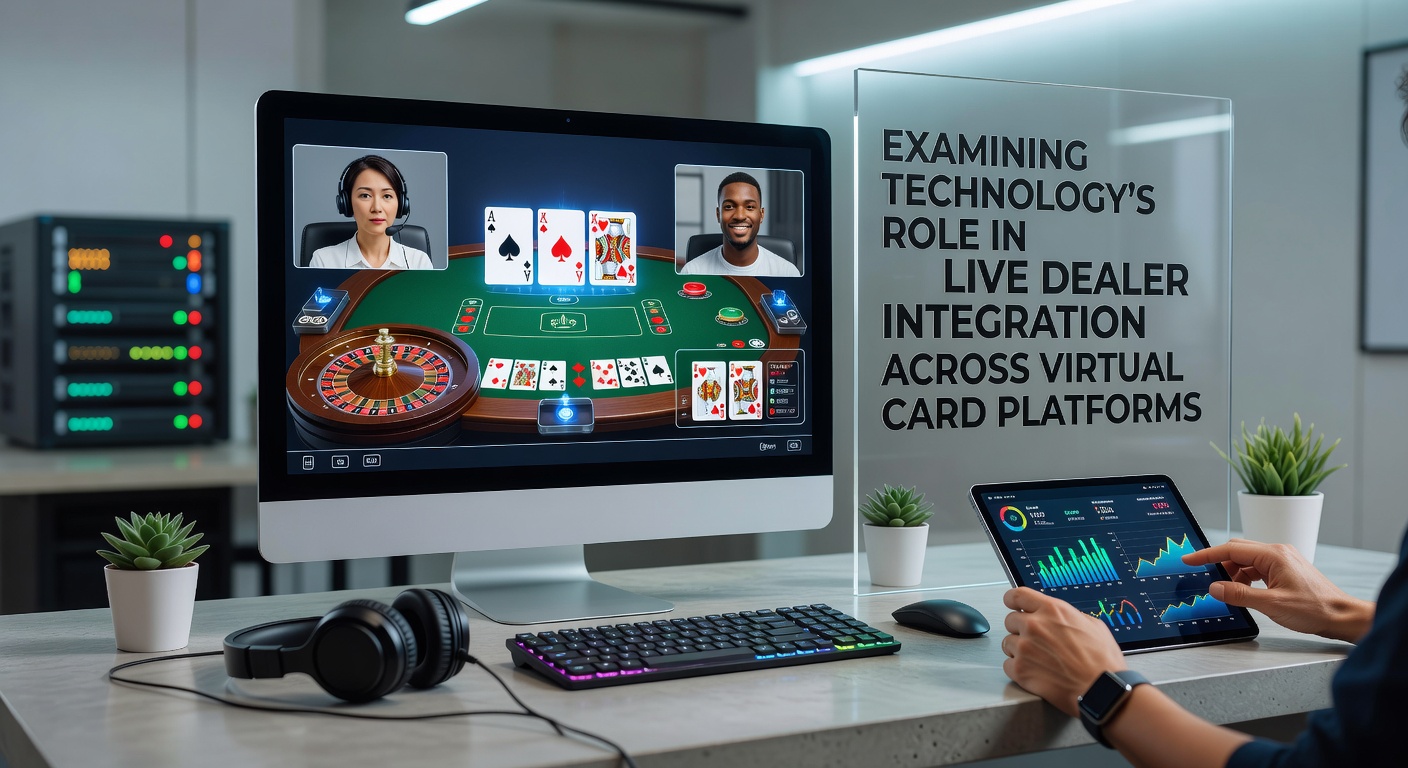
Live dealer integration across virtual card platforms relies on a combination of high-definition video streaming, real-time data synchronization, and secure transaction systems that connect physical tables to remote participants. These systems allow card games such as blackjack and baccarat to operate with human dealers while participants access the action through internet-connected devices. Data from industry reports indicates that streaming technologies account for the majority of latency reductions in recent platform upgrades, with average delays now falling below two seconds in optimized environments.
Video Streaming and Camera Systems
Multiple camera arrays capture every angle of the dealing process, and these feeds route through dedicated servers that compress and deliver footage to thousands of simultaneous users. Optical character recognition software scans card faces instantly, converting physical results into digital data that updates player interfaces without manual input. Observers note that this process maintains game integrity because each card movement registers automatically and transmits to connected accounts in milliseconds. In June 2026 several operators plan to introduce 8K resolution feeds on select tables, a step that builds on existing 4K standards already deployed by major providers.
Artificial Intelligence and Operational Support
AI algorithms monitor table activity to flag irregularities and assist dealers with procedural reminders during extended shifts. Pattern recognition tools analyze betting volumes and payout frequencies, generating reports that regulatory auditors review for compliance. Researchers at institutions studying digital gaming environments have documented how these systems reduce human error rates by cross-checking dealer actions against predefined rulesets. The same tools also power chat moderation features that filter inappropriate language while preserving the social element of live sessions.
Security Protocols and Transaction Handling
Encryption layers protect both video streams and financial data as they travel between studio locations and player devices. Multi-factor authentication combined with device fingerprinting creates layered access controls that platforms activate before any game begins. According to figures released by the New Jersey Division of Gaming Enforcement, transaction verification times have decreased by over 30 percent since 2023 due to integrated payment gateways that communicate directly with banking networks. Blockchain-based ledgers appear in select markets where operators record every shuffle and payout as immutable entries, providing an additional audit trail for oversight bodies.

Mobile Optimization and Cross-Platform Access
Responsive design frameworks allow the same live tables to function across smartphones, tablets, and desktop computers without separate applications in most cases. Adaptive bitrate streaming adjusts video quality based on available bandwidth, preventing interruptions when connections fluctuate. Those who manage platform infrastructure report that API connections between game servers and mobile operating systems handle orientation changes and touch inputs seamlessly, keeping gameplay continuous even during travel. Battery consumption metrics from device testing labs show incremental improvements each year as compression techniques become more efficient.
Regulatory Compliance and Geographic Expansion
Different jurisdictions apply distinct technical requirements for live dealer certification, and platforms must configure their systems to meet each set of standards. The Massachusetts Gaming Commission requires independent testing of random number generators that supplement physical shuffles, while Australian regulatory frameworks emphasize player fund segregation through separate accounting modules. Integration teams coordinate with these agencies to schedule periodic system audits that verify both hardware and software components remain within approved parameters. Expansion into new regions often hinges on demonstrating that latency, encryption, and fairness controls align with local legislation before commercial launch.
Conclusion
Virtual card platforms continue to refine the technical connections between physical dealers and digital participants through iterative upgrades in video delivery, data processing, and security architecture. These developments enable consistent gameplay experiences that scale across devices and regulatory environments while preserving the core mechanics of traditional card tables. Ongoing work scheduled through 2026 focuses on higher resolution feeds and tighter integration between AI oversight tools and human operations.