Tracing Player Retention Through Tiered Loyalty Mechanics in Integrated UK Betting Ecosystems
Written by Tina Schmitz · Jun 28, 2026
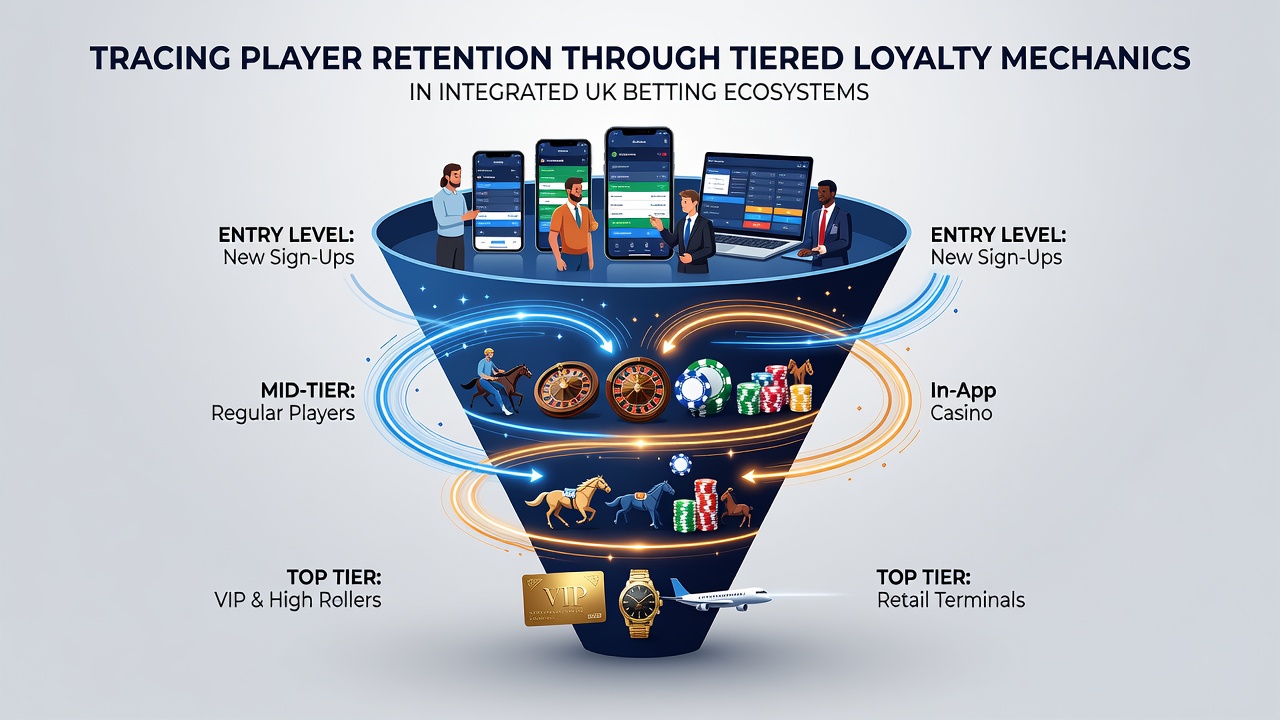
Integrated betting platforms across the UK combine sports wagering, casino offerings, and poker rooms into single accounts, and tiered loyalty mechanics track activity to influence how long participants remain active. These systems assign points based on stakes placed, then move users through levels that unlock escalating rewards such as enhanced cashback percentages, priority event access, and tailored promotional offers. Data from multiple operators shows that players who reach mid-tier status tend to log in more frequently than those who stay at entry level. Tier structures typically start with a base category available to anyone who registers, then progress to intermediate and premium bands once cumulative wagering thresholds are met. Points accrue from every bet type, whether on football matches, slot spins, or live dealer tables, and the same ledger feeds all products inside the ecosystem. This unified tracking allows platforms to calculate lifetime value more precisely while adjusting reward schedules in real time.Mechanics Behind Tier Progression and Reward Allocation
Operators calculate advancement by measuring total turnover over rolling periods, often 30 or 90 days, and they reset or carry forward balances depending on the program design. Higher tiers deliver proportional benefits, for instance a 5 percent cashback rate at the top level versus 1 percent at the bottom, plus invitations to exclusive tournaments or faster withdrawal processing. Because the system operates across every vertical, a user who bets heavily on sports can still climb tiers even if their casino play remains modest, which keeps overall engagement steady.
Retention analytics rely on cohort studies that compare churn rates between tiered participants and non-participants. Figures released by the New Jersey Division of Gaming Enforcement indicate that players enrolled in multi-level schemes demonstrate repeat deposit patterns 18 to 25 percent higher than those outside such programs. Similar patterns appear in aggregated reports from other regulated markets where loyalty data is collected systematically.
Integration Across Betting Verticals and Data Flows
Integrated ecosystems link every product through a central player account, so activity in one area immediately updates the loyalty balance visible everywhere else. A weekend football accumulator therefore contributes toward the same tier progress as an evening session of roulette, and the platform surfaces cross-promotions that encourage movement between verticals. This connectivity reduces the likelihood that users will migrate to competing sites when one product experiences a temporary lull.
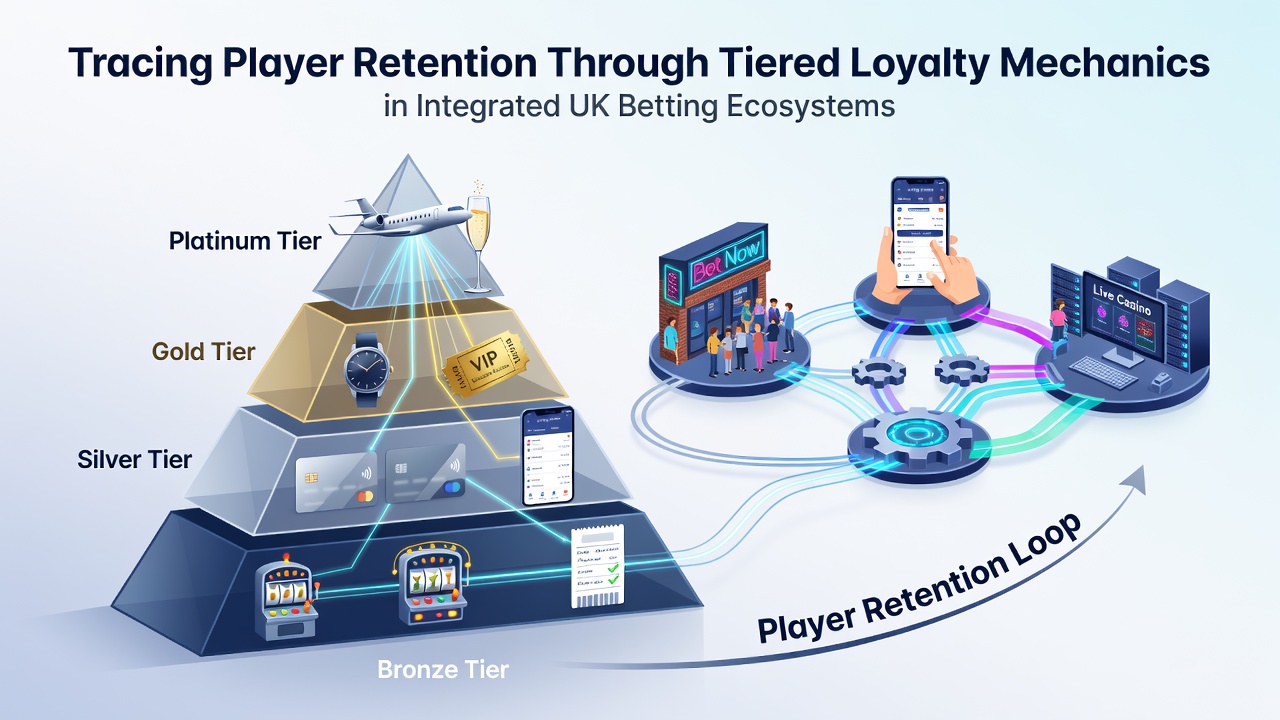
Backend systems record session length, deposit frequency, and game preference alongside tier status, creating datasets that feed predictive models. Researchers at the University of Nevada, Las Vegas Center for Gaming Research have documented how these combined variables help operators forecast which users are likely to reduce activity within the next quarter. The models trigger targeted interventions such as bonus points or personalized offers before actual disengagement occurs.
Observed Patterns in Retention Metrics Through 2026
By June 2026 several major platforms had completed upgrades that allowed real-time tier adjustments based on live betting streams, and early performance indicators pointed to further stabilization in monthly active user counts. Observers note that the ability to award instant recognition for large in-play wagers strengthened the connection between immediate behavior and long-term status. Meanwhile, comparative data from Australian regulatory filings reveal parallel improvements in retention when similar cross-product loyalty frameworks were introduced.
Segmentation analysis breaks participants into groups according to entry tier, average stake size, and preferred product mix. Those who entered at the lowest level and advanced within six months showed the steepest drop in churn probability, whereas static low-tier users maintained higher attrition. Platforms respond by refining point-earning rates on underutilized products to pull more users upward through the structure.
Conclusion
Tiered loyalty mechanics embedded in integrated UK betting ecosystems supply measurable levers for tracking and sustaining player activity across multiple verticals. Retention data gathered through these programs continues to guide operational decisions, with evidence drawn from diverse regulatory environments confirming consistent correlations between tier advancement and prolonged engagement. As platforms refine their data integration and reward timing, the capacity to map retention trajectories becomes more granular, supporting sustained participation without reliance on any single product line.