Tracing Shifts in Affiliate Networks Linking UK Players with Niche Sports Betting Platforms
Written by Logan Reed · Jul 24, 2026
Tracing Shifts in Affiliate Networks Linking UK Players with Niche Sports Betting Platforms
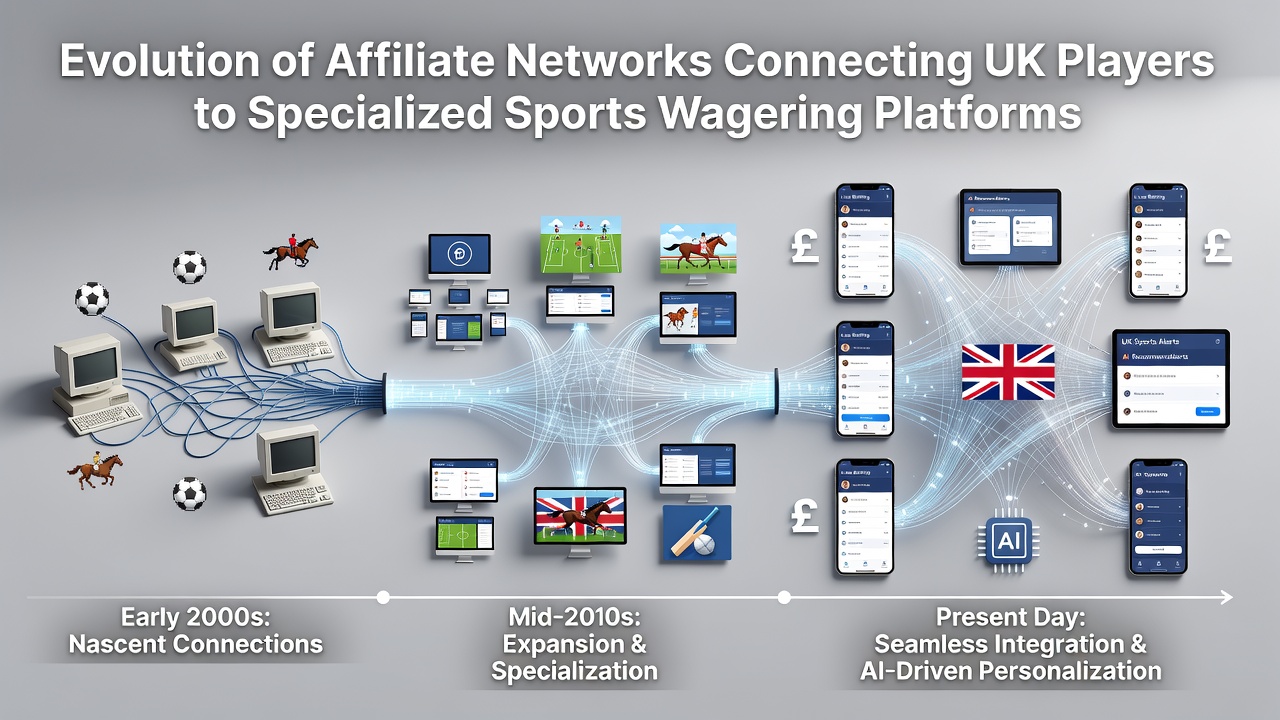
Specialized sports wagering platforms have long relied on affiliate networks to reach UK players, and the mechanisms behind those connections have changed dramatically over the decades, researchers in digital marketing note. What began as simple banner placements in the late 1990s evolved into sophisticated data-driven systems that match users with betting options focused on football, horse racing, and emerging e-sports markets. Data from industry reports shows affiliate traffic accounted for a growing share of new accounts on these platforms throughout the 2010s, while regulatory adjustments in various jurisdictions shaped how networks operated.
Foundations in the Digital Shift
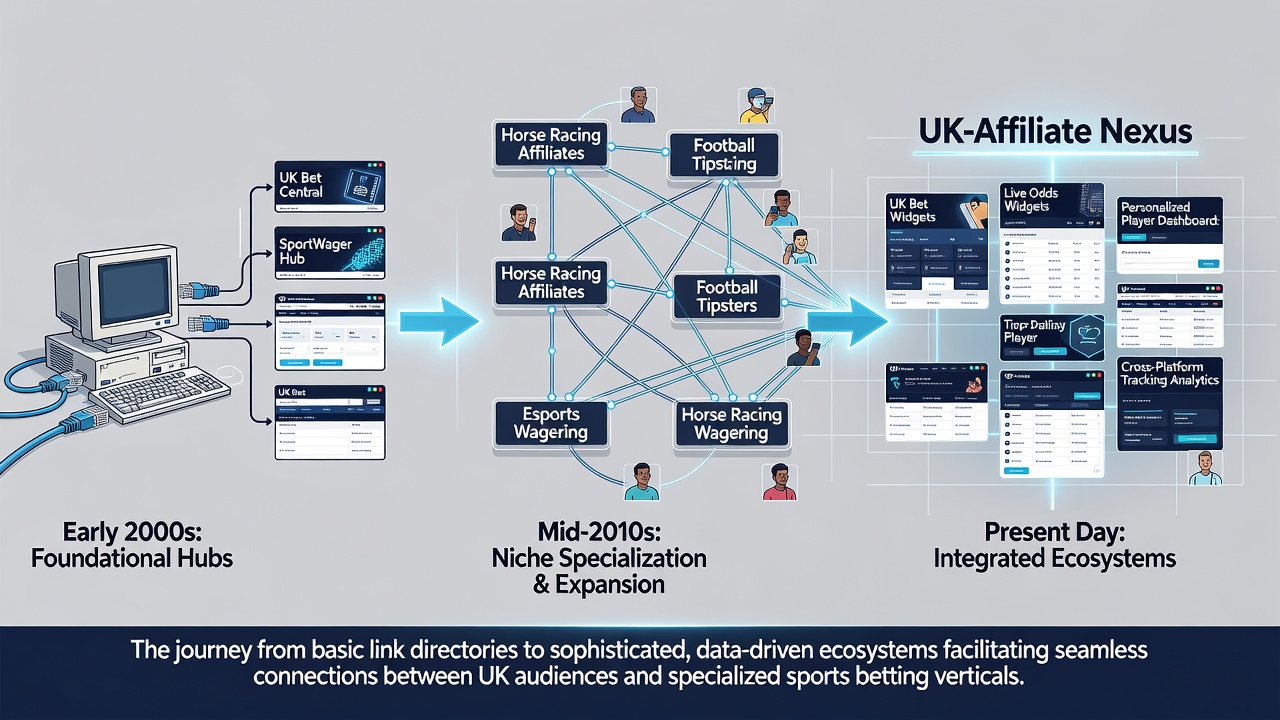
Observers trace the initial growth of these networks to the expansion of online betting in the early 2000s, when basic hyperlink programs allowed site owners to earn commissions on referred players. Those early models used revenue-sharing structures that rewarded volume rather than player retention, and operators adjusted payouts accordingly. By the mid-2000s, networks incorporated tracking cookies and performance analytics, which enabled more precise measurement of conversions from UK traffic sources. Studies from European gaming associations indicate that specialized platforms for niche sports began partnering with these networks to differentiate from general casino sites, focusing instead on live odds and event-specific promotions.
Technological upgrades played a central role here. Networks adopted multi-channel tracking that followed users across desktop and early mobile interfaces, while content creators started producing dedicated betting guides and match previews to drive clicks. One analysis of industry data reveals that affiliate-driven sign-ups for sports platforms rose steadily between 2008 and 2012, coinciding with increased broadband access across the UK. Operators responded by offering tiered commission rates that rewarded affiliates for delivering players who engaged with live betting features rather than one-off deposits.
Regulatory Pressures and Network Adaptations
Adjustments in licensing requirements across Europe prompted networks to refine their compliance protocols, and UK-facing affiliates incorporated stricter age verification and responsible gaming messaging into their promotional materials. Research from international gaming bodies shows that networks began segmenting traffic sources more carefully, separating general sports content from specialized offerings like darts or snooker platforms. This segmentation helped affiliates maintain partnerships with operators that required detailed reporting on player behavior and deposit patterns.
By the early 2020s, many networks had integrated artificial intelligence tools for fraud detection and audience targeting, according to reports from trade organizations in North America and Australia. Those tools allowed affiliates to identify UK users interested in specific leagues or betting formats without relying solely on broad keyword campaigns. Data indicates that specialized sports wagering sites saw improved conversion rates when affiliates used localized content such as regional team analyses and fixture calendars.
Current Dynamics as of July 2026
As of July 2026, affiliate networks continue to serve as primary connectors between UK players and platforms that focus on particular sports markets rather than broad casino offerings. Figures from academic studies on digital commerce reveal that performance-based models now dominate, with commissions tied to metrics such as average bet size and session duration. Networks have expanded their use of video content and podcast partnerships to reach younger demographics interested in e-sports betting, while traditional football-focused affiliates maintain presence through statistical analysis tools and live score integrations.
Operators of niche platforms report that affiliate contributions remain significant for acquiring players who prefer in-play wagering on less mainstream events. Research published by university-affiliated gaming research centers shows that networks investing in mobile-optimized landing pages achieve higher engagement rates among UK users accessing sites via smartphones. Those networks also coordinate with payment providers to streamline deposit processes, reducing friction that previously led to abandoned registrations.
Looking Ahead
Future developments may include greater emphasis on personalized recommendation engines within affiliate platforms, where algorithms match UK players to specialized sports books based on past betting patterns. Industry observers note that cross-border data sharing agreements between regulatory entities in the EU and other regions could further standardize tracking practices. Evidence from ongoing market analyses suggests that networks will continue adapting to changes in search algorithms and social media policies that affect how promotional content reaches audiences.
Conclusion
The evolution of affiliate networks connecting UK players to specialized sports wagering platforms reflects broader shifts in digital marketing, technology, and regulatory environments. From basic referral links to integrated analytics systems, these networks have adapted to deliver targeted connections while responding to compliance demands. Data consistently shows their ongoing role in shaping how players discover and engage with niche betting options across various sports.